Expanded Functions
Expanded Functions Dental Assistant (EFDA): Training and State Rules
What Is an Expanded Function Dental Assistant, and How Do You Become One?
An expanded function dental assistant (EFDA) is a dental assistant who has taken extra training and earned a state credential to do restorative and other advanced duties, such as placing and finishing fillings where the state allows it. The title changes by state: EFDA in Pennsylvania, Washington, Wisconsin and Ohio, RDAEF in California, EDDA in Georgia and Dental Assistant II in Virginia. 37 EFDA programs at 34 schools are verified on their own pages, and many add-on programs take one to three semesters.
What an Expanded Function Dental Assistant Does
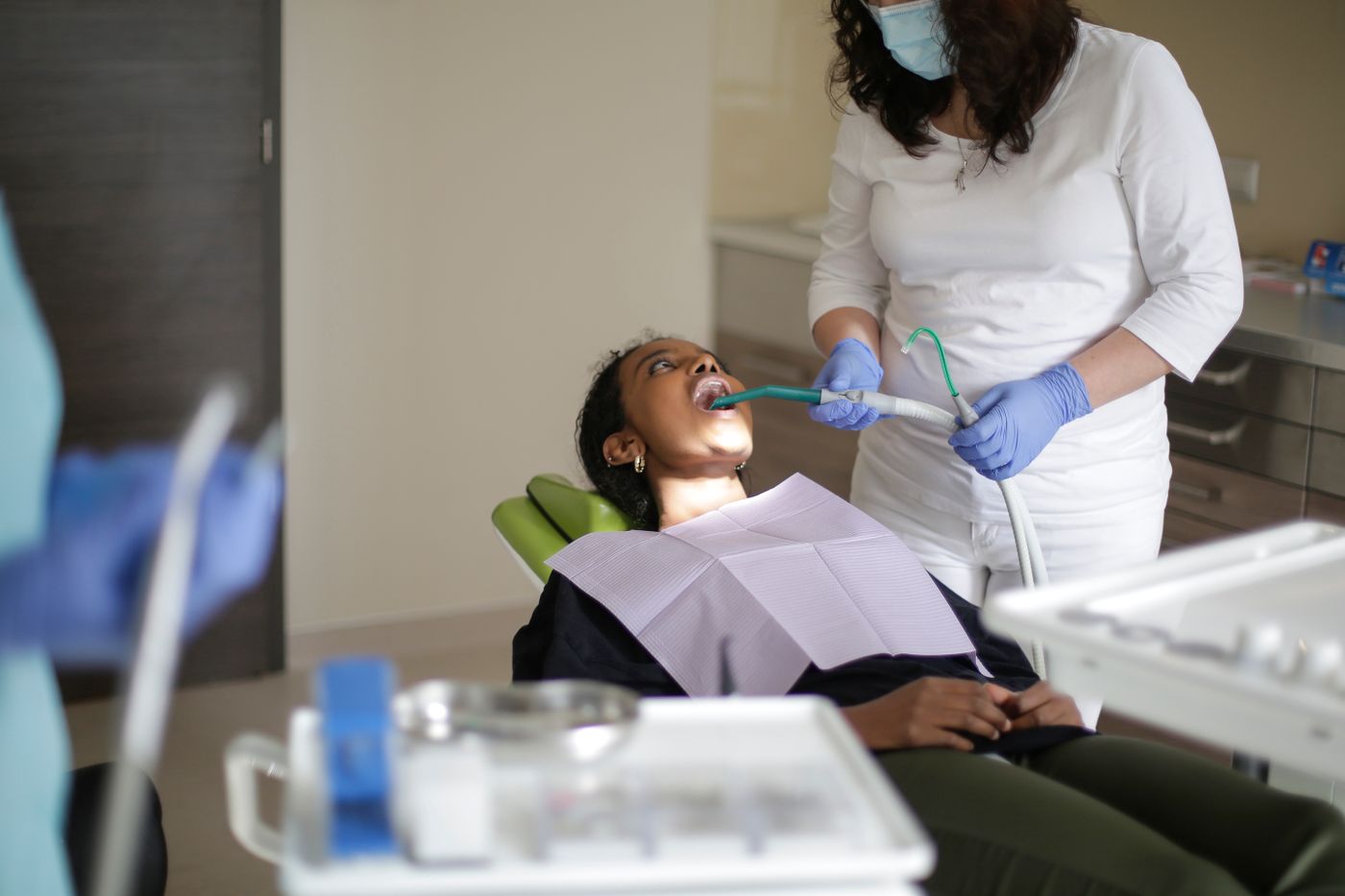
An expanded function dental assistant does work that a basic assistant can’t: in the states that allow it, that can mean placing and finishing restorations, taking final impressions, placing sealants and applying fluoride. Washington’s rules show the split clearly. Under close supervision, an EFDA there may place composite and amalgam restorations and take final impressions. Under general supervision, the same EFDA may do coronal polishing, apply fluoride and sealants, give oral health instruction and take dental radiographs.
Georgia’s list is different again. Its expanded duty courses cover sealants and topical anticariogenic agents, impressions for repairs and night guards, temporary crowns, periodontal dressings, nitrous oxide monitoring, retraction cord packing, bleaching agent changes, orthodontic tasks, vital signs and sizing primary stainless steel crowns. Georgia’s rules also rule out lasers, intraoral micro-etching and air polishing.
So the first rule of EFDA work: your state decides what “expanded” means.
What States Call It
You’ll see at least five names for the same idea, and searching the wrong one can hide your state’s rules from you:
- EFDA (Expanded Function Dental Assistant): Pennsylvania.
- EFDA (Expanded Function Dental Auxiliary): Washington, Wisconsin and Ohio. Oregon also uses EFDA certification, issued through DANB.
- RDAEF (Registered Dental Assistant in Extended Functions): California.
- EDDA (Expanded Duty Dental Assistant): Georgia, where you earn a certificate for each set of duties.
- Dental Assistant II: Virginia, whose registration covers assistants who perform expanded duties.
Expanded Function Dental Assistant Rules by State
These are the expanded functions credentials in the states whose board rules are published here, read from each board’s own pages:
| State | Credential | Who can apply | Exam | Fee |
|---|---|---|---|---|
| California | RDAEF license | Current RDA plus a board-approved RDAEF program, a sealants course and BLS | RDAEF Written Examination (PSI) | $120 application |
| Pennsylvania | EFDA certification | Graduate of a board-approved EFDA program of at least 200 hours | Written exam through Pearson VUE | $120 initial |
| Washington | EFDA license | CODA dental assisting program, DANB CDA (Pathway II) or a hygiene license, plus a commission-approved EFDA program | Written and clinical restorations exams | $175 application |
| Georgia | EDDA certificate per course | CDA, a one-year accredited or approved program graduate, or six continuous months chairside in the last three years | Competency exam by a licensed dentist | |
| Virginia | Dental Assistant II registration | Assistants performing expanded duties | $100 initial | |
| Wisconsin | EFDA certification | Requirements set in Wis. Stat. chapter 447 | ||
| Ohio | EFDA registration | Board-specified education at a CODA- or HLC-accredited institution, plus current BLS | Exam meeting board standards | $25 application |
| Oregon | EFDA certification (through DANB), then restorative functions | Restorative: EFDA first, then a board-approved curriculum | CDCA-WREB-CITA restorative exam |
Blank cells mean the board page doesn’t set that item for this credential. Rules for other states are added to the requirements hub as their boards are read.
California’s RDAEF: The Longest Ladder
California stacks its credentials. You need a current RDA license first, which itself takes a board-approved program or 15 months and 1,280 hours of work plus five required courses. Then you finish a board-approved RDAEF program at a postsecondary school, a board-approved pit and fissure sealants course and current BLS, and pass the RDAEF Written Examination through PSI. The application fee is $120, with no separate initial license fee, and there’s a background check. The board notes that applicants with a license issued before 2010 who took a specified course may be exempt from the exam.
It’s the longest route of any published state, but it’s also the clearest: each rung is a separate credential you keep. The registered dental assistant guide covers the first rung.
States With an Expanded Functions Credential
| State | Credential | What it takes |
|---|---|---|
| California dental assistant rules | Registered Dental Assistant in Extended Functions (RDAEF) license | Current RDA license plus a board-approved RDAEF postsecondary program, a board-approved pit and fissure sealants course, and current BLS; Exam: RDAEF Written Examination (PSI); applicants with a pre-2010 license and the specified course may be exempt; $120 nonrefundable application fee; no separate initial license fee |
| Georgia dental assistant rules | Expanded Duty Dental Assistant (certificate per course) | High school diploma or equivalent; Exam: Competency examination administered by a licensed dentist for the course sponsor; 4 hours |
| Pennsylvania dental assistant rules | Expanded Function Dental Assistant (EFDA) certification | Graduate of a Board-approved EFDA program; Exam: Written examination acceptable to the Board, administered by Pearson VUE; 200 hours; $120 initial (effective July 1, 2025) |
| Virginia dental assistant rules | Dental Assistant II (registration) | $100 initial registration (18VAC60-30-30) |
| Washington dental assistant rules | Expanded Function Dental Auxiliary (EFDA) license | CODA-accredited dental assisting program or alternative pathway the board lists; Exam: Commission-approved written and clinical restorations exams; $175 application; $165 renewal |
| Wisconsin dental assistant rules | Expanded Function Dental Auxiliary (EFDA) certification |
From each state dental board's own pages, November 2026.
Expanded Functions Programs
- Gwinnett Technical College: Expanded Duties Dental AssistantLawrenceville, GA
- Western Iowa Tech Community College: Expanded Functions Dental Assistant CertificateSioux City, IA
- University of Maine at Augusta: Expanded Functions Dental Assisting (EFDA)Augusta, ME
- All-State Career-Baltimore: Expanded Functions Dental Assistant (EFDA) diplomaBaltimore, MD
- Rochester Community and Technical College: Dental Assistant Expanded Functions CertificateRochester, MN
- Santa Fe Community College: Expanded Function Dental Auxiliary (EFDA)Santa Fe, NM
- Central Ohio Technical College: Expanded Function Dental Auxiliary (EFDA), Short-term CertificateNewark, OH · 32 weeks · $1,092 per term, 2026-27
- Sinclair Community College: Expanded Functions for Dental Auxiliaries, Short-term Certificate (EFDA.S.STC)Dayton, OH · 13 credits
- University of Cincinnati-Blue Ash College: Expanded Function Dental Auxiliary (EFDA) CertificateBlue Ash, OH · 32 weeks · $360 published total
- All-State Career School: Expanded Function Dental Assistant (EFDA)Essington, PA
- Lancaster County Career and Technology Center: Expanded Function Dental AssistantWillow Street, PA
- Manor College: Expanded Functions Dental Assisting CertificateJenkintown, PA · 48 weeks
- Manor College: Expanded Functions Dental Assisting, A.S.Jenkintown, PA
- Miller-Motte College-Berks Technical Institute: Expanded Function Dental Assistant Preparation ProgramWyomissing, PA
- Westmoreland County Community College: Expanded Functions Dental Assisting, AASYoungwood, PA
- Westmoreland County Community College: Expanded Functions Dental Assisting, CertificateYoungwood, PA
- YTI Career Institute-York: Expanded Function Dental AssistingYork, PA
- Huertas College: Grado Asociado en Asistente Dental con Funciones ExpandidasCaguas, PR
- Humacao Community College: Grado Asociado en Asistente Dental con Funciones ExpandidasHumacao, PR · 80 weeks
- Universidad Ana G. Mendez-Cupey Campus: Certificado Tecnico: Asistente Dental con Funciones ExpandidasSan Juan, PR
- University of Puerto Rico-Medical Sciences: Associate Degree in Expanded Functions Dental AssistingSan Juan, PR · 80 weeks
- Aiken Technical College: Expanded-Duty Dental Assisting, Diploma in Applied ScienceGraniteville, SC
- Florence-Darlington Technical College: Expanded Duty Dental Assisting, Diploma in Applied Science (DTA)Florence, SC · 69 weeks
- Greenville Technical College: Expanded Duty Dental Assisting, Diploma in Applied ScienceGreenville, SC
- Horry-Georgetown Technical College: Expanded Duty Dental Assisting - CertificateConway, SC
- Midlands Technical College: Expanded Duty Dental Assisting - DiplomaWest Columbia, SC
- Spartanburg Community College: Expanded Duty Dental Assisting CertificateSpartanburg, SC
- Tri-County Technical College: Expanded Duty Dental AssistingPendleton, SC
- York Technical College: Expanded Duty Dental Assisting, DAS (diploma)Rock Hill, SC
- York Technical College: Expanded Duty Dental Assisting, General Technology Specialization, AASRock Hill, SC
- Germanna Community College: Expanded Functions Dental Assisting (Dental Assisting II)Locust Grove, VA
- Mountain Empire Community College: Dental Assistant II Expanded Function (GCC)Big Stone Gap, VA
- Fox Valley Technical College: Expanded Function Dental Auxiliary (EFDA), CertificateAppleton, WI · 16 weeks · $2,400 total
- Madison Area Technical College: Expanded Function Dental Auxiliary (EFDA) CertificateMadison, WI · 16 weeks · $2,292.07 total
- Northeast Wisconsin Technical College: Expanded Function Dental Auxiliary (EFDA)Green Bay, WI
- Waukesha County Technical College: Expanded Function Dental AuxiliaryPewaukee, WI
- Western Technical College: Expanded Function Dental AuxiliaryLa Crosse, WI
EFDA programs are for working dental assistants and train for the state's expanded duties; each school states its own entry requirements.
Pennsylvania, Washington and Ohio: Program, Then Exam
Pennsylvania certifies EFDAs who graduate from a board-approved EFDA program with at least 200 hours of clinical and didactic instruction and pass a written exam given by Pearson VUE. The initial fee is $120 (effective July 1, 2025). Renewal is every two years, $37 for the current cycle, with 10 continuing education hours including 2 on child abuse recognition and reporting.
Pennsylvania has eight verified EFDA programs. Manor College runs a 200-hour evening course over three semesters that prepares you for the state exam, and offers an associate degree too. Westmoreland County Community College offers evening certificate and AAS options with on-campus lab and clinical experience in a dental office, with a January 12 application deadline for fall.
Washington licenses EFDAs. You start from a CODA-accredited dental assisting program, or DANB CDA through Pathway II (at least 3,500 hours of experience within 24 to 48 months, the CDA exam and a review course), or a Washington limited or full hygiene license. Then you finish a commission-approved EFDA program and pass written and clinical restorations exams. It’s $175 to apply and $165 to renew.
Ohio registers EFDAs under Ohio Revised Code 4715.62. You need the education the board specifies at an institution accredited by CODA or the Higher Learning Commission, a passed exam that meets board standards and current BLS, with a $25 application fee. Assistants licensed or registered as an EFDA in another state can be registered through Ohio’s out-of-state route. Ohio has three verified programs:
| Program | Length | Format | Exam | Cost the school publishes |
|---|---|---|---|---|
| Central Ohio Technical College | 2 semesters, 8 credits | Part time, on campus | EFDA exam through the Commission on Dental Testing | $1,092 first-semester course fee (supplies and textbook) |
| Sinclair Community College | 13 credits | Part time, on campus | Ohio EFDA certifying exam, written and practical | |
| University of Cincinnati Blue Ash College | 2 semesters, fall and spring | Part time, hybrid | Ohio EFDA board exam | $360 lab fee, tuition charged per credit hour |
UC Blue Ash also requires a supervising dentist who oversees at least 80 hours of restorative patient care. Line that dentist up before you apply.
Georgia, Virginia, Wisconsin and Oregon
Georgia takes a course-by-course approach. Each Expanded Duty Dental Assistant course is at least four hours and ends with a competency exam given by a licensed dentist for the course provider. You qualify with a CDA, a one-year accredited or board-approved program, or six continuous months as a chairside assistant in the last three years, plus a high school diploma or equivalent. Duties are delegated only under direct supervision. Gwinnett Technical College offers an Expanded Duties Dental Assistant certificate, and Athens, Chattahoochee and Columbus Technical Colleges pair radiology with EFDA or EDDA certificates.
Virginia registers a Dental Assistant II for expanded duties. The initial registration is $100. It renews every year in your birth month ($50 active, $25 inactive), and you must keep current DANB or other recognized national certification and hands-on CPR. Germanna Community College and Mountain Empire Community College both offer Dental Assistant II certificates.
Wisconsin certifies EFDAs under Wis. Stat. chapter 447, with 12 hours of continuing education to renew (no more than 2 in basic life support, at least 2 in infection control). Its programs are among the shortest anywhere: Madison Area Technical College runs an 11-credit, one-semester certificate with an estimated program cost of $2,292.07 and requires a Wisconsin-licensed dentist mentor. Fox Valley Technical College runs 11 credits in one semester with Friday labs, at an estimated $2,400. Madison moves to fall-only starts from Fall 2027.
Oregon requires EFDA certification (issued through DANB) before restorative functions. Restorative work then takes a board-approved curriculum (the template is 18 hours didactic, 22 hours of typodont lab and 24 hours clinical) and a passed CDCA-WREB-CITA restorative exam within five years. If you’re certified in another state, Oregon asks for at least 1,000 hours of work in the past two years doing those functions.
EFDA Programs in Other States
Programs also run in states whose board rules aren’t published here yet. The program details below come from each school’s own page, and the state’s rules should come from its dental board:
- South Carolina: CODA-accredited expanded duty diplomas and certificates at York Technical College, Greenville Technical College, Midlands Technical College and others.
- Iowa: Western Iowa Tech Community College offers an Expanded Functions Dental Assistant Certificate, and the school says federal financial aid is available.
- Minnesota: Rochester Community and Technical College offers a Dental Assistant Expanded Functions Certificate.
- New Mexico: Santa Fe Community College prepares you for the New Mexico Board of Dental Health Care’s state certifying exam.
- Puerto Rico: University of Puerto Rico Medical Sciences offers a CODA-accredited 74-credit associate degree in expanded functions dental assisting.
Is the EFDA Worth It?
The case for it is scope. An EFDA does restorative work that a basic assistant can’t, and that widens what you can do in a practice. The case against is time and cost on top of what you’ve already done: California’s route takes two licenses, Oregon’s takes a restorative exam, and some programs, like UC Blue Ash and Madison College, need you to arrange a supervising or mentor dentist.
For pay, the dental assistant salary guide has BLS figures for every state. Minnesota, Oregon and Washington, all states with expanded functions credentials or programs, rank in the top six state medians for dental assistants.
If you’re still choosing your first program, a CODA-accredited one keeps the most EFDA doors open, because Washington, Ohio and DANB’s CDA Pathway I all run through accreditation. The CODA-accredited programs ranking lists them.
How to Choose an EFDA Program
- Confirm board approval in your state. Pennsylvania, California and Washington all require an approved EFDA program.
- Check the prerequisite credential. California needs an RDA first. Georgia accepts six months of chairside work.
- Line up your dentist. UC Blue Ash needs a supervising dentist for 80 hours of restorative care, and Madison College needs a Wisconsin-licensed mentor.
- Fit it around work. Manor College and Westmoreland run evenings, and Central Ohio Tech, Sinclair and UC Blue Ash are part time.
- Know the exam. Ohio programs name the Commission on Dental Testing or an Ohio board exam. Pennsylvania’s goes through Pearson VUE.
Find EFDA programs near you with the school finder, or check your state’s rules first with the requirements checker.
Frequently Asked Questions
Can You Go Straight Into an EFDA Program Without Dental Assisting Experience?
Usually not. Most EFDA routes start from an existing credential: California's RDAEF requires a current RDA license, Georgia's expanded duty courses need a CDA, a one-year accredited program or six months as a chairside assistant, and Washington's EFDA license starts from a CODA-accredited program or DANB CDA. A few full programs build the expanded duties in, such as South Carolina's expanded duty diplomas.
What Is the Difference Between an RDAEF and an EFDA?
They're the same idea under different names. California calls its expanded functions license the Registered Dental Assistant in Extended Functions (RDAEF), and you must hold an RDA license first. Pennsylvania, Washington, Wisconsin and Ohio use EFDA.
Does DANB Offer an Expanded Functions Certification?
DANB offers the Certified Restorative Functions Dental Assistant (CRFDA), which targets restorative functions, and the Certified Preventive Functions Dental Assistant (CPFDA). Oregon's board says its dental assistant certifications, including expanded functions, are issued through DANB.
How Much Does an EFDA License Cost to Apply For?
Application fees on the board pages run from $25 for Ohio's EFDA registration to $120 for Pennsylvania's EFDA certification and California's RDAEF license, and $175 for Washington's EFDA license. Virginia charges $100 for the initial Dental Assistant II registration.
How Often Does a Pennsylvania EFDA Renew?
Every two years. The renewal fee is $37 for the April 1, 2025 to March 31, 2027 cycle, with 10 continuing education hours including 2 hours of board-approved child abuse recognition and reporting.
Can an EFDA Take X-Rays?
In Washington, dental radiographs are among the duties an EFDA may do under general supervision. Radiography rules are separate in many states, though, so check your state's x-ray credential in the dental radiography guide.
Keep Reading
- How to Become a Dental AssistantThe training, the DANB and state exams and the state credentials that take you from no experience to working chairside
- Dental Assistant CertificationWhat dental assistant certification means, the DANB exams programs prepare for, and the pass rates schools publish
- Registered Dental AssistantWhich states register or license dental assistants, what each requires and the programs that prepare for it
- Dental RadiographyThe state rules for taking dental x-rays as an assistant: certificates, courses and exams
- Certificate vs Diploma vs DegreeHow dental assisting certificates, diplomas and associate degrees differ in length, cost and what they lead to
- Dental Assistant School CostWhat dental assistant school costs, from the program totals schools publish, what they leave out and how to pay
- How Long It TakesHow long dental assisting programs take, by credential, from the lengths schools publish
- Best Dental Assistant SchoolsEvery verified program, ranked
- Dental Assistant Requirements by StateEvery published state credential
Sources
- Dental Board of California: RDA in Extended Functions
- Pennsylvania State Board of Dentistry: dental assistant licensure snapshot
- Washington WAC 246-817-195: EFDA licensure
- Georgia Board of Dentistry rules, chapter 150-9
- Ohio Revised Code 4715.62: EFDA registration
- Oregon Board of Dentistry: dental assistants
- Virginia Board of Dentistry: Dental Assistant II
- Wisconsin DSPS: Expanded Function Dental Auxiliary
- DANB: earn dental assistant certification
- State dental boards' dental assistant pages, read November 2026