Careers
Dental Assistant Salary and Careers
How Much Do Dental Assistants Make?
The national dental assistant salary is a median of $48,070 a year, or $23.11 an hour, according to BLS OEWS for May 2025. The middle half of the 387,790 dental assistants in the U.S. earn between $44,340 and $58,090, and the top tenth earn more than $62,250. State makes a big difference: the median runs from $37,760 in Utah to $65,270 in Minnesota.
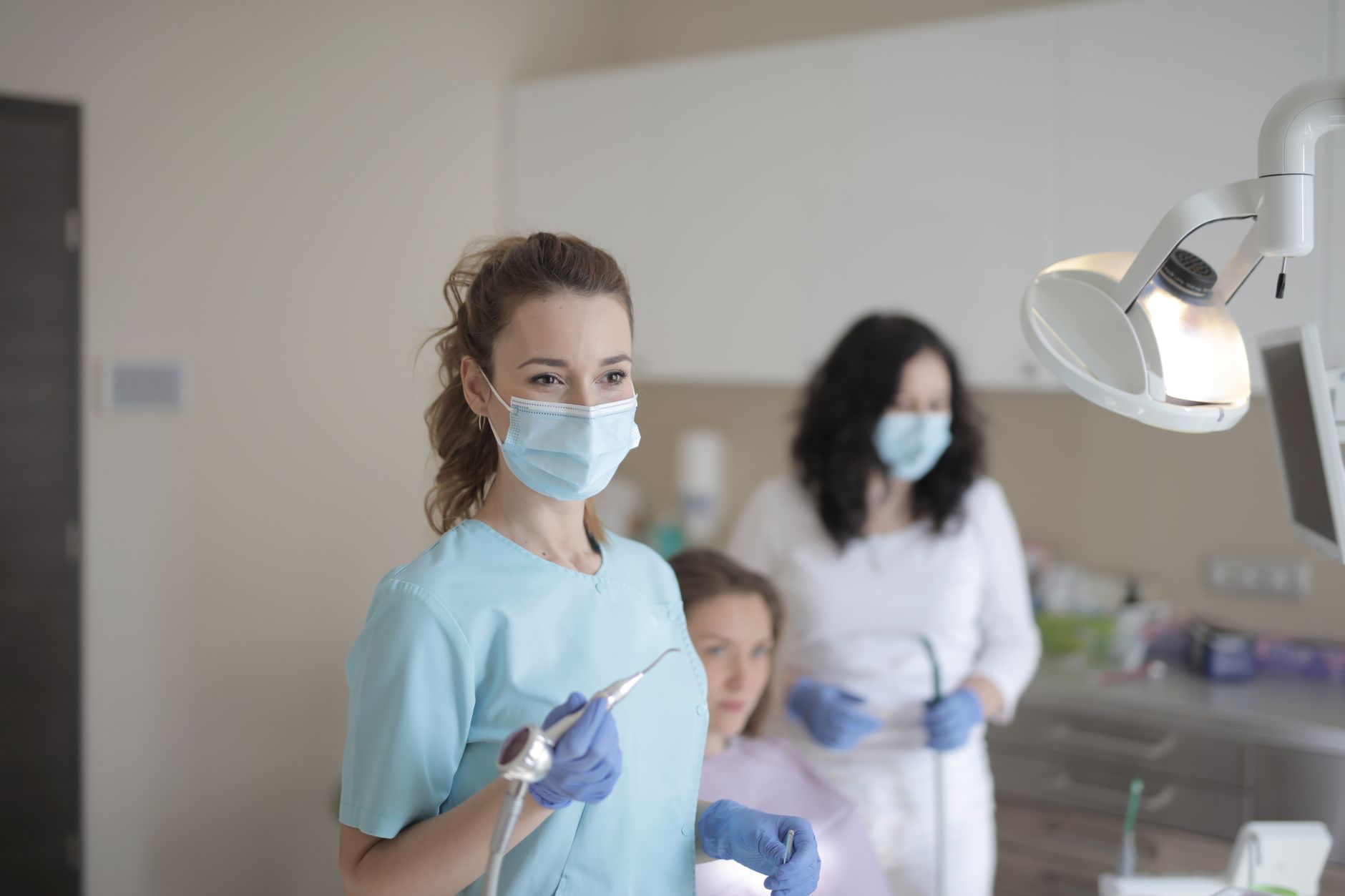
The National Dental Assistant Salary
Dental assistants earn a national median of $48,070 a year, according to the Bureau of Labor Statistics’ Occupational Employment and Wage Statistics for May 2025. That’s $23.11 an hour. The mean is a little higher at $50,200, pulled up by the best-paid assistants.
The median is the midpoint, not a typical offer. Here’s the spread:
| Percentile | Annual pay | What it means |
|---|---|---|
| 10th | $37,130 | Nine in ten assistants earn more |
| 25th | $44,340 | The bottom of the middle half |
| Median | $48,070 | Half earn more, half less |
| 75th | $58,090 | The top of the middle half |
| 90th | $62,250 | One in ten earns more |
The middle half sits in a fairly tight band, from $44,340 to $58,090. Most people in the job do similar work in similar settings: BLS says almost all dental assistants work in dentists’ offices, 91% of them, and most work full time.
What the Job Involves for That Pay
The pay covers a mix of clinical and office work. BLS lists preparing patients and the treatment room, sterilizing instruments, handing instruments to the dentist, keeping the mouth dry with suction, teaching patients about oral hygiene, processing x-rays under the dentist’s direction, keeping treatment records, scheduling appointments and working with patients on billing and payment.
Which of those clinical duties you may do, and whether you can add x-rays, sealants or restorative work, depends on your state’s rules. That’s the link between credentials and pay covered below.
Where Dental Assistants Earn the Most and the Least
Where you work moves your pay a lot. The state medians run from $37,760 in Utah to $65,270 in Minnesota.
The top of the list: Minnesota ($65,270), the District of Columbia ($60,580), Maine ($60,070), New Hampshire ($59,530), Oregon ($59,490) and Washington ($58,090). The bottom: Utah ($37,760), West Virginia ($37,960), Alabama ($39,080) and Mississippi ($39,160).
The biggest job markets sit near the middle. California employs 56,220 dental assistants at a median of $50,110. Texas employs 33,230 at $45,430, Florida 26,620 at $47,620 and New York 19,800 at $48,110.
The ceiling changes too. Ohio’s median is $47,970, but its 90th percentile is $78,000, the highest top-tenth figure of any state. Minnesota’s top tenth earns over $76,110 and Oregon’s over $75,570. Every state is in the full table on this page.
Hourly Pay by State
If an office quotes you an hourly rate, compare it with the hourly median. Nationally it’s $23.11. Minnesota’s is $31.38, the District of Columbia’s $29.13, Oregon’s $28.60 and Washington’s $27.93. California’s is $24.09, Florida’s $22.89, Texas’s $21.84 and Utah’s $18.16.
Does a State Credential Mean Higher Pay?
BLS notes that each state regulates what dental assistants may do. Comparing pay with the credentials in the 17 published states shows a pattern worth knowing:
| State | General or expanded credential | Median pay |
|---|---|---|
| Minnesota | Dental assistant license | $65,270 |
| Oregon | Certification for x-rays and expanded functions (through DANB) | $59,490 |
| Washington | Registration; EFDA license | $58,090 |
| North Dakota | RDA registration | $57,770 |
| California | RDA license; RDAEF license | $50,110 |
| New York | RDA license (title) | $48,110 |
| Pennsylvania | EFDA certification | $47,930 |
| Texas | RDA registration; radiology certificate | $45,430 |
Minnesota stands out. It licenses dental assistants, its exam route runs through CODA-accredited programs and DANB exams, and it has the highest median in the country. Texas registers assistants too and sits below the national median. So a credential isn’t a pay raise by itself, but in the states that pay best, it’s usually part of the job. The registered dental assistant guide covers each state’s rules.
What Moves Your Pay Within a State
Inside one state, the gap between the 10th and 90th percentiles shows how much room there is. In California it’s $38,790 to $73,700. In Texas it’s $35,400 to $57,640. Two levers are in your hands:
- More duties. Expanded functions credentials let you do restorative and other advanced work where the state allows it. The expanded functions guide covers the EFDA, RDAEF, EDDA and Dental Assistant II in eight states.
- National certification. DANB’s CDA is widely recognized across the dental industry, and specialty certifications such as the Certified Orthodontic Assistant (COA) follow the practice you work in.
Dental Assistant Pay, From Entry Level to the Top Tenth
- 10th percentile
- $37,130
- 25th percentile
- $44,340
- Median
- $48,070
- 75th percentile
- $58,090
- 90th percentile
- $62,250
National annual wages for 387,790 dental assistants (SOC 31-9091), OEWS May 2025. The median hourly wage is $23.11.
Dental Assistant Salary by State
BLS OEWS May 2025, state annual wages for dental assistants, highest median first. Each state link goes to that state's program ranking.
Where Dental Assisting Leads
Dental assisting is also the starting point for the roles below, each described from the certification, accreditation or board source that covers it. Two roles have guides of their own: the registered dental assistant and the expanded functions dental assistant.
Orthodontic Assistant
Works in an orthodontic practice. DANB created its Certified Orthodontic Assistant (COA) certification for dental assistants who work in an orthodontic practice. In California, the Dental Board of California issues an Orthodontic Assistant Permit after a board-approved course of at least 84 hours (55 hours if you already hold an RDA license) and the Orthodontic Assistant Written Examination.
Pediatric Dental Assistant
Works in a pediatric dental office. Under CODA's dental assisting standards, more than half of a student's clinical assignments go to general dentistry offices and may include a pediatric dental office, so a CODA-accredited program can give you time in one before you graduate.
Surgical Dental Assistant
Works where patients are treated under sedation. In California, the Dental Sedation Assistant Permit requires at least 12 months of work as a dental assistant (or an active RDA or RDAEF license), a board-approved course of at least 110 hours and the Dental Sedation Assistant Written Examination (Dental Board of California).
Traveling Dental Assistant
Moves between practices or states for work. Each state regulates what dental assistants may do (BLS), and a state credential comes from that state's board. Minnesota offers licensure by credentials to assistants licensed in another U.S. jurisdiction, and Oregon accepts assistants certified in another state with at least 1,000 hours of work in the past two years performing those functions.
Dental Assistant Instructor
Teaches in a dental assisting program. CODA's standards require laboratory, preclinical and clinical faculty to hold DANB's Certified Dental Assistant credential plus any dental assisting credential the state requires, and didactic faculty to earn at least a bachelor's degree within three years of being hired.
Dental Office Manager
Runs the business side of a practice. BLS lists keeping treatment records, scheduling appointments and working with patients on billing and payment among a dental assistant's duties, so you learn the front office from the start. DANB's Dental Industry Specialist in Infection Prevention and Control (DISIPC) certification is intended for dental practice managers, among others.
Dental Receptionist
Works the front desk. Scheduling appointments and working with patients on billing and payment appear on the BLS list of dental assistant duties. Receptionists in all settings earned a median of $18.27 an hour in May 2025 and typically need a high school diploma or equivalent (BLS).
Dental Sales Representative
Sells to dental practices. DANB's Dental Industry Specialist in Infection Prevention and Control (DISIPC) certification is intended for dental sales representatives and managers as well as practice managers, which makes infection control knowledge from chairside work a credential you can carry into sales.
Pay in the States With the Most Programs
The states with the most verified programs aren’t always the best-paying ones, so it helps to see both numbers together.
- California has 47 verified programs and a median of $50,110. Board-approved RDA programs such as Mt. Diablo Adult Education and Sacramento City College lead to the state’s RDA license. See the California ranking.
- Florida has 33 programs and a median of $47,620. Broward College reports a 97% DANB pass rate for 2024-25.
- Georgia has 27 programs and a median of $46,840. Chattahoochee Technical College prepares students for the National Entry Level Dental Assistant exam.
- Minnesota has 26 programs and the top median, $65,270. See the Minnesota ranking.
- Texas has 21 programs and a median of $45,430. Houston Community College reports a 100% exam pass rate in each of the last three years.
- North Carolina has 19 programs and a median of $50,380, above the national figure. Wake Technical Community College publishes $3,040 in in-state tuition for its diploma.
How Pay Compares to What School Costs
Among programs that publish a single total, dental assistant school runs from $1,850 to $20,872, with a median of $8,995. Set that against a national 10th percentile of $37,130 a year and even the higher totals are within reach of a first year’s pay, but the low-cost public programs still deserve a hard look. Tarrant County College publishes $1,850 in tuition and fees for its Texas RDA certificate, and Mountainland Technical College in Utah publishes $3,697 with 92% placement for fiscal year 2025. In Minnesota, the top-paying state, Hennepin Technical College runs a CODA-accredited program that prepares you for the DANB and Minnesota Jurisprudence exams. The school cost guide has the full breakdown.
Job Outlook for Dental Assistants
BLS projects dental assistant employment to grow 7 percent from 2025 to 2035, which BLS calls much faster than the average for all occupations, with about 53,000 openings a year on average across the decade.
Most dental assistants work full time, and some work evenings or weekends to match their practice’s hours.
Dental Assistant vs Dental Hygienist Pay
The best-paid next step in a dental office is hygiene. Dental hygienists earn a national median of $98,100 a year, against $48,070 for assistants. But it’s a different job with a different route: a dental hygiene degree and a state license. The assistant vs hygienist guide compares training, duties and pay side by side.
Career Paths and the Credentials Behind Them
Dental assisting is also a starting point for more specialized roles. Each has a credential or rule you can plan for:
| Path | Credential or rule | Source |
|---|---|---|
| Orthodontic assistant | DANB Certified Orthodontic Assistant (COA); in California, an Orthodontic Assistant Permit after a course of at least 84 hours | DANB; Dental Board of California |
| Sedation and surgical work | California Dental Sedation Assistant Permit: 12 months of experience or an RDA, a course of at least 110 hours and a written exam | Dental Board of California |
| Expanded functions | EFDA, RDAEF, EDDA or Dental Assistant II, depending on the state | State dental boards |
| Teaching | CODA programs require clinical faculty to hold DANB’s CDA plus any state credential, and didactic faculty to earn a bachelor’s degree within three years of hire | CODA |
| Practice management and sales | DANB’s DISIPC certification is intended for dental sales representatives, managers and practice managers | DANB |
Each path has its own section on this page, with the expanded functions and registered dental assistant roles in their own guides.
Raising Your Pay as a Dental Assistant
- Check your state’s top earners. If the state’s 90th percentile is far above its median, as in Ohio or California, there’s room to grow without moving.
- Add a credential your state values. Radiography, the CDA or an expanded functions credential each widen what you can do.
- Pick a CODA program if you can. It keeps DANB’s CDA Pathway I and several state routes open from day one. The CODA ranking lists them.
- Look at programs in higher-paying states with the school finder, and compare them with the best dental assistant schools ranking.
Frequently Asked Questions
How Much Do Dental Assistants Make an Hour?
The national median is $23.11 an hour (BLS OEWS, May 2025). By state, the hourly median runs from $18.16 in Utah to $31.38 in Minnesota.
What Is the Starting Pay for a Dental Assistant?
The 10th percentile is a useful guide for a new assistant: $37,130 a year nationally in May 2025, and nine in ten dental assistants earn more than that. In your state, look at the state 10th percentile in the table on this page.
Which State Pays Dental Assistants the Most?
Minnesota, with a median of $65,270 a year. The District of Columbia ($60,580), Maine ($60,070), New Hampshire ($59,530) and Oregon ($59,490) follow.
How Much Do Dental Assistants Make in California and Texas?
California's median is $50,110 with 56,220 dental assistants employed, the most of any state. Texas's median is $45,430 with 33,230 employed (BLS OEWS, May 2025).
Is Dental Assisting a Growing Job?
BLS projects employment of dental assistants to grow 7 percent from 2025 to 2035, with about 53,000 openings a year on average over the decade.
Do Dental Hygienists Earn More Than Dental Assistants?
Yes. The median is $98,100 a year for hygienists against $48,070 for assistants (BLS OEWS, May 2025). Hygienists need a hygiene degree and a state license.
Keep Reading
- Assistant vs HygienistHow dental assisting and dental hygiene differ in training, licensing and pay
- How to Become a Dental AssistantThe training, the DANB and state exams and the state credentials that take you from no experience to working chairside
- Dental Assistant CertificationWhat dental assistant certification means, the DANB exams programs prepare for, and the pass rates schools publish
- Registered Dental AssistantWhich states register or license dental assistants, what each requires and the programs that prepare for it
- Best Dental Assistant SchoolsEvery verified program, ranked
- Dental Assistant Requirements by StateEvery published state credential
Sources
- BLS OEWS May 2025: Dental Assistants (31-9091)
- BLS Occupational Outlook Handbook: Dental Assistants
- BLS OEWS May 2025: Dental Hygienists (29-1292)
- DANB: earn dental assistant certification
- U.S. Bureau of Labor Statistics, Occupational Employment and Wage Statistics, May 2025: Dental Assistants (31-9091)