Program Types
Dental Assistant Certificate, Diploma or Associate Degree?
Dental Assistant Certificate, Diploma or Associate Degree: Which Should You Choose?
A dental assistant certificate is the fastest common route into the job, usually two or three semesters, while a diploma covers similar ground and an associate degree adds general education over about two years. All three train you for chairside work and the same DANB and state exams. Of the verified programs that name their award, 173 are certificates, 149 diplomas and 66 associate degrees.
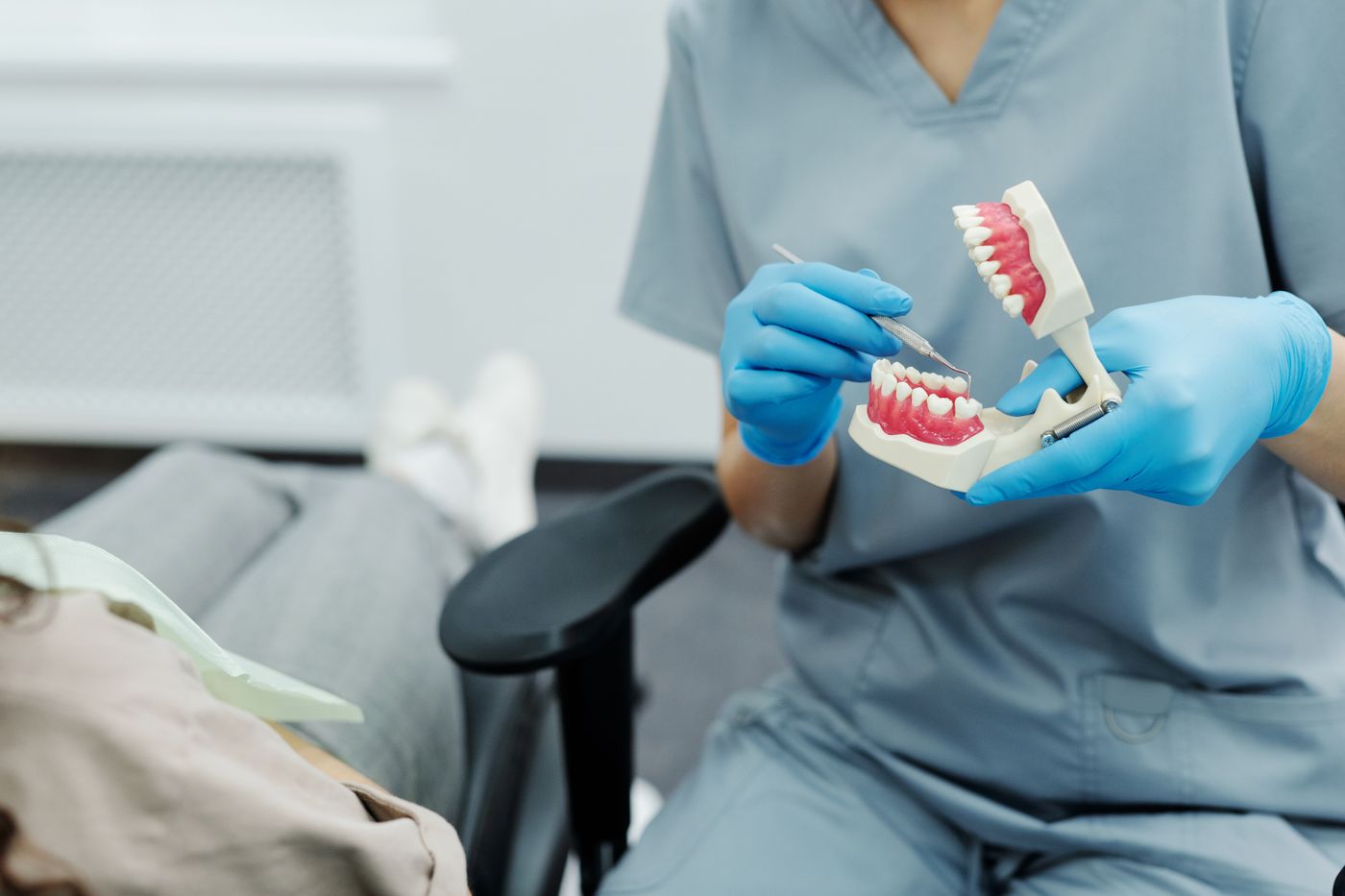
Dental Assistant Certificate, Diploma and Degree Side by Side
All three awards train you for the same job. You learn chairside assisting, infection control, radiography and dental materials, then finish with clinical time in real offices. What changes is how much else comes with it and how long it takes.
| Certificate | Diploma | Associate degree | |
|---|---|---|---|
| Verified programs | 173 | 149 | 66 |
| Size in the examples here | 21 to 49 credits | 16 to 59 credits, or 1,230 clock hours | 62 to 74 credits |
| Length in the examples here | One to three semesters | About 9 to 16 months | Five semesters to two years |
| General education | Little or none | Little or none | Required |
| Example | Chemeketa Community College: 9 months, CODA, 88.5% DANB pass rate (2024-25) | Broward College: 50 credits, 12 months, CODA, 97% DANB pass rate (2024-25) | Coastal Alabama Community College: 62 credits, five semesters, CODA |
The ranges come from the programs named on this page. Across the 121 programs that list credits, the median is 45. Across the 42 that list clock hours, it’s 958.
Why the Award Name Matters Less Than You’d Think
BLS describes the usual route as a program of about a year that leads to a certificate or diploma, with two-year associate programs less common. That matches the verified programs, where 173 certificates and 149 diplomas sit beside 66 associate degrees.
The label often comes down to the school system. Florida colleges such as these award an Applied Technology Diploma: Broward College and Eastern Florida State College both run 50-credit ATDs. Texas colleges award a Level 1 Certificate: Houston Community College runs 38 credits over 12 months. Iowa colleges such as Kirkwood, Hawkeye and Eastern Iowa award diplomas: Kirkwood Community College runs 46.5 credits over three semesters.
Those three programs are close in size, all CODA-accredited, and all publish strong pass rates. The award name barely separates them. So when you compare programs, look at credits or clock hours, clinical hours, CODA status and exam results, not the word on the diploma.
What Every Program Covers, Whatever the Award
If a program is CODA-accredited, the award type doesn’t change the core. CODA’s standards set a floor of 900 instructional hours, including 300 clinical practice hours, for every accredited program, certificate or degree.
The clinical part has rules of its own. Each student goes to two or more offices or clinics, more than half of the clinical assignments should be in general dentistry offices (a pediatric office can count), and the program’s faculty must plan, supervise and evaluate that time and hold seminars to discuss it. Before you take x-rays at an externship site, you have to show competence on full-mouth image surveys on at least two patients under faculty supervision.
So a CODA certificate and a CODA associate degree give you the same clinical grounding. The degree adds general education around it. Outside CODA, programs set their own hours, which is why the externship line on a program page is worth reading closely: Tennessee College of Applied Technology Memphis lists a 150-hour externship in an 864-hour certificate, and Pima Medical Institute lists 180 to 240 externship hours depending on the campus.
When a Dental Assistant Certificate Makes Sense
A certificate is the right call if you want to start working soon and your state’s credential doesn’t need more.
- Shortest routes: Stark State College in Ohio runs 21 credits over two semesters, with a 100% exam pass rate for its FA2023-SP2024 cohort (16 enrolled, 16 completed). Pima Community College runs a 32-week CODA-accredited certificate.
- Lowest published totals: Tarrant County College publishes $1,850 in tuition and fees for its 25-credit Registered Dental Assistant certificate (2026-27, in-county). Mountainland Technical College in Utah publishes a total of $3,697 for a 12-month certificate, with 93% completion and 92% placement for fiscal year 2025.
- CODA certificates: Lewis and Clark Community College in Illinois runs a one-year certificate with a 92% first-time CDA pass rate in 2024. College of Western Idaho publishes a program cost of $7,188 for its one-year CODA certificate.
A CODA-accredited certificate puts you on DANB’s CDA Pathway I just like a degree does. You don’t need two years to sit the CDA exam at graduation.
Certificate vs Diploma vs Associate Degree, by the Numbers
| Award | Programs | Median length | Median credits | Median published total | CODA-accredited |
|---|---|---|---|---|---|
| Certificates | 173 | 40 wk | 34.5 | $7,188 | 64 |
| Diplomas | 149 | 43 wk | 45 | $8,022 | 41 |
| Associate degrees | 66 | 78 wk | 61 | $12,033 | 33 |
From the verified programs that name their award, November 2026. Medians use the programs that state each figure. Associate degree rankings: best dental assisting associate degrees.
Certificates Built Around a State Credential
Some certificates are designed for one state’s exam, and that’s worth more than the award name. In California, board-approved RDA programs carry the license route with them. Mt. Diablo Adult Education runs an 8-month certificate for $7,632 that includes the radiation safety, infection control, Dental Practice Act, coronal polish and pit and fissure certificates California’s RDA license asks for. Riverside County Office of Education runs an RDA-eligible certificate, recognized by the Dental Board of California, from September 2026 to May 2027 for $16,900.
In Tennessee, Chattanooga State Community College says its one-year certificate leads to DANB CDA and Tennessee dental assistant registration, with state certifications in radiology, sealants, nitrous oxide monitoring and coronal polishing. In Texas, Tarrant County’s certificate is named for the Texas RDA.
If your state has a credential, pick the certificate that names it. See California’s requirements for an example of what a board-approved program has to include.
When a Diploma Is the Better Fit
Diplomas run a little longer on average and are common at technical colleges and career schools. Some are tightly packed. First Coast Technical College runs 1,230 clock hours in 40 weeks and publishes $6,743.96 for tuition and lab, plus books, uniforms and fees. Lakeshore Technical College in Wisconsin offers a competency-based 16-credit diploma that can take one semester or less, with a published program total of $4,068.40 including books and supplies.
At the other end, private career school diplomas cost more. Concorde Career College in Dallas lists tuition of $18,687 for a 26-credit diploma, and Gulf Coast College in Metairie publishes $20,872 for 59 credits and 958 clock hours. Same award, very different price.
When an Associate Degree Is Worth the Extra Time
An associate degree adds general education, usually a year of it. That matters in three situations:
- You might go into hygiene. BLS says hygienists typically need an associate degree in dental hygiene, and those programs usually take 3 years. A dental assisting degree won’t replace that program, so treat assisting as a way to learn the work first.
- You might teach. Under CODA’s standards, faculty who teach didactic courses must earn at least a bachelor’s degree within three years of being hired. A degree now shortens that road.
- Your school offers both on the same core. Sacramento City College runs the same 34.5-unit dental assisting major as an A.S. (60+ units with general education) or a Certificate of Achievement, with a 90% RDA pass rate either way. Lawson State Community College offers a 62-credit AAS and a 49-credit certificate, both CODA-accredited.
The trade-off is time. Coastal Alabama Community College runs its AAS over five semesters. The school lists $204 per credit in-state, and its own page puts the in-state AAS at $12,648 plus a supply kit, uniforms and books. University of Puerto Rico Medical Sciences runs a 74-credit, two-year CODA degree in expanded functions dental assisting. The associate degree ranking scores all 66.
Online and Evening Versions of Each Award
Every award type comes in flexible formats, though clinical work stays in person. Amerion College offers an online AAS that takes 15 months full time or up to 30 months part time, with a published full-time maximum of $16,750 including textbooks. Eastern Florida State College runs its diploma as a 16-month hybrid evening track. Prairie State College offers an evening certificate over two semesters.
See the online and hybrid ranking and the evening and weekend ranking for every flexible option.
How to Choose Your Award Type
- Start with your state. If the requirements hub shows your state ties a credential to a CODA program, filter by CODA first and award type second.
- Compare credits or hours. A 21-credit certificate and a 49-credit certificate aren’t the same program.
- Count the clinical hours. CODA programs need at least 300 within at least 900 instructional hours. Non-CODA programs vary, so read the externship line.
- Check the exam results. A published pass rate with a date tells you more than the award name.
- Think two steps ahead. If hygiene or teaching is on your list, the degree’s general education may save you time later.
The how long dental assistant school takes guide compares lengths in more detail, and the school cost guide shows what each program’s published total includes.
Frequently Asked Questions
Is a Certificate in Dental Assisting Enough to Get Hired?
It's the most common entry route: BLS says many dental assisting programs take about a year and lead to a certificate or diploma. What decides hiring in many states is the state credential, such as California's RDA license or Texas's radiology certificate, and a certificate program can prepare you for those.
Can a Certificate Program Be CODA-Accredited?
Yes. CODA accredits programs, not award types. Chemeketa Community College's 9-month certificate, Lewis and Clark Community College's one-year certificate and Houston Community College's Level 1 Certificate all state CODA accreditation.
How Many Credits Is a Dental Assisting Certificate?
It varies a lot. Stark State College's certificate is 21 credits and Tarrant County College's is 25, while Coastal Alabama's and Lawson State's certificates are 49. Across the 121 verified programs that state credits, the median is 45.
Do You Need an Associate Degree to Become a Dental Hygienist Later?
BLS says dental hygienists typically need an associate degree in dental hygiene, which is a separate program from dental assisting. A dental assisting associate degree doesn't replace it.
Is a Diploma Better Than a Certificate?
Not by itself. Broward College and Eastern Florida State College in Florida each award a 50-credit Applied Technology Diploma. Elsewhere, a certificate of similar length covers the same skills. Compare credits, clinical hours and exam results instead of the label.
Keep Reading
- How Long It TakesHow long dental assisting programs take, by credential, from the lengths schools publish
- How to Become a Dental AssistantThe training, the DANB and state exams and the state credentials that take you from no experience to working chairside
- Dental Assistant CertificationWhat dental assistant certification means, the DANB exams programs prepare for, and the pass rates schools publish
- Registered Dental AssistantWhich states register or license dental assistants, what each requires and the programs that prepare for it
- Best Dental Assistant SchoolsEvery verified program, ranked
- Dental Assistant Requirements by StateEvery published state credential